History of Drugs in America Images

In the late-19th century, the German pharmaceutical company Bayer sold heroin in a bottle as an over-the-counter cough suppressant.

After the Civil War, a Pittsburgh grocer began selling Arbuckle's Ariosa Coffee, the country's first popular prepackaged coffee brand. The company's colorful label became a common sight from Manhattan cafes to frontier chuck wagons.
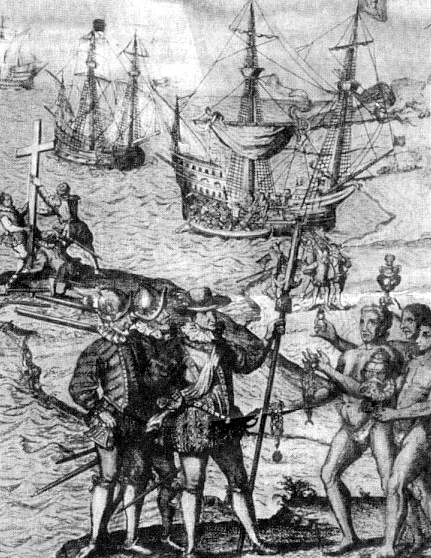
When Christopher Columbus landed in the Bahamas in 1492, his very first encounter with the natives ended with an exchange of gifts including tobacco—a drug no European had ever seen before.

Florida policemen destroy confiscated, illegal liquor during Prohibition, 1925.

Promotional poster for the legendary 1936 anti-marijuana film, Reefer Madness.

Coffee helped Union soldiers win the Civil War.