The differences between Middle-earth beings may not look like the differences between people in our world. In fact, they're much more stark. Nevertheless, the interactions between all these creatures in The Two Towers—humans, elves, hobbits, and orcs—remind us of race relations in our world, too. It's clear from the get-go that these characters use race as a way to identify each other. But the race of their fellows also creates certain expectations; elves are good, hobbits are inexperienced, orcs are evil, men are proud. Are these fair assumptions? Probably not, but in any case, all of Middle-earth seems to share them.
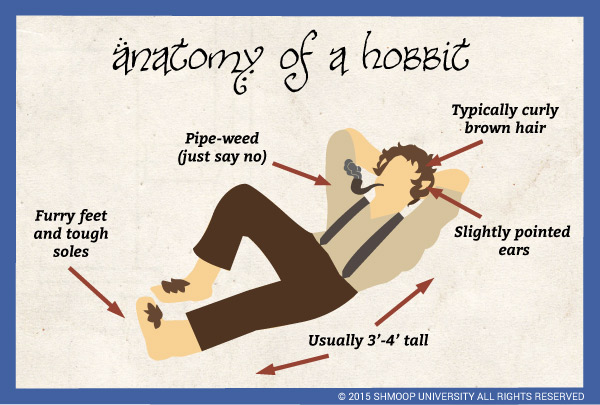
(Click the infographic to download.)

(Click the infographic to download.)
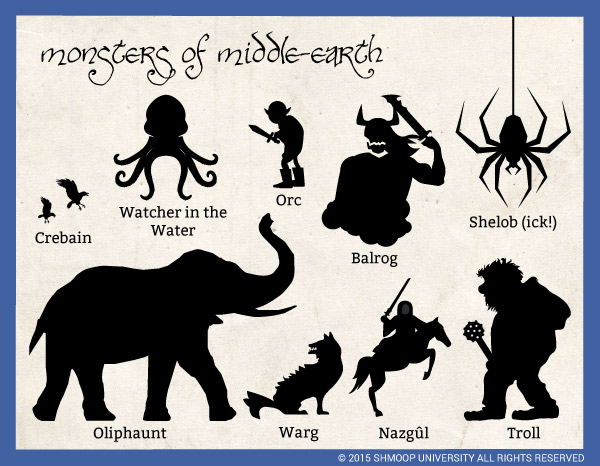
(Click the infographic to download.)
Questions About Race
- What evidence does Tolkien give of regional variation among the different races of Middle-earth? What differences are there within peoples like the elves or the orcs?
- What tensions exist between the good peoples of Middle-earth—the elves, dwarves, Ents, hobbits, and men? How does Tolkien represent these tensions in The Two Towers? Which characters seem to overcome these interracial struggles? How do they do so?
- Is there real cooperation among the bad peoples of Middle-earth (the evil men, the orcs, and the Ringwraiths)? How do these evil peoples work together against the forces of good? Do they cooperate successfully? Why or why not?
- Are the inherent differences Tolkien creates between the peoples of Middle-earth racist? Why or why not?
Chew on This
Tolkien's depiction of the groups of Middle-earth is racist. The differences between the peoples of Middle-earth, which he describes as inherent, suggest unfair prejudice.
In The Two Towers, one of the central distinctions between good peoples like elves or Ents and bad peoples like the orcs is that the good folk can work together in a common cause while the evil folk cannot overlook their differences long enough to cooperate productively.