The War of 1812 Images

This engraving by G. Thompson, entitled "The Taking of the City of Washington in America," was printed just weeks after the British burned Washington, D.C. in 1814. Despite the celebratory nature of the engraving, many British citizens criticized their government for looting the American capital.

The USS Constitution was one of six ships funded by Congress in 1794 in an effort to build a viable navy. The ship was dubbed "Old Ironsides" after winning a ferocious battle against the HMS Guerriere in 1812.
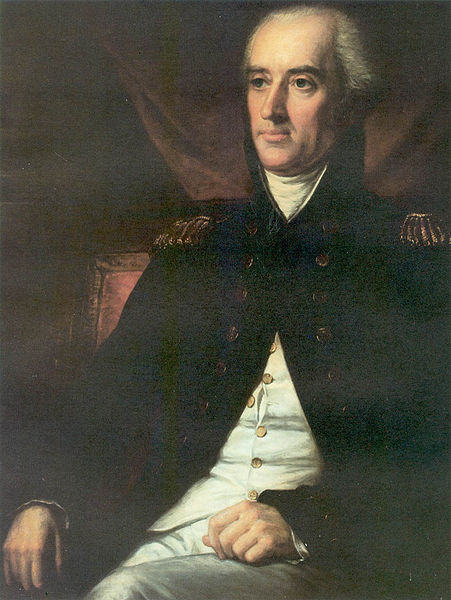
President James Madison's much maligned Secretary of War, by Daniel Huntington after John Vanderlyn, 1873.

Portrait of the famous Federalist critic of the War of 1812 and delegate to the Hartford Convention, by Gilbert Stuart, 1809.

Tenskwatawa by Charles Bird King, circa 1829.