ShmoopTube
Where Monty Python meets your 10th grade teacher.
Search Thousands of Shmoop Videos
SAT Math Videos 353 videos















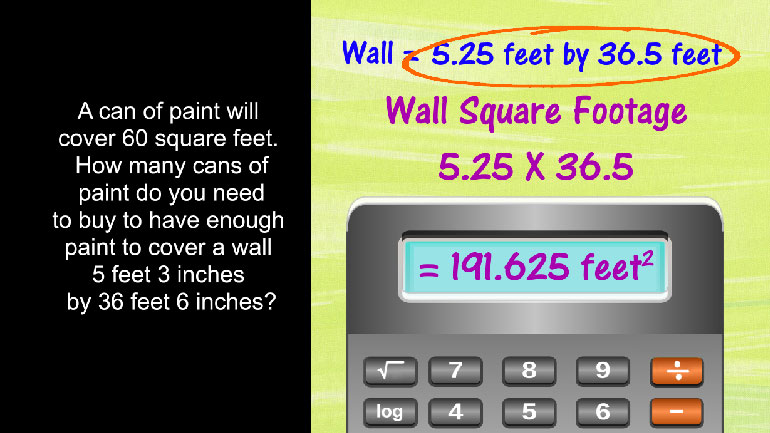
SAT Math 10.1 Geometry and Measurement. How many cans of paint are needed?
In 2014, the unemployment rate of one county in California was 7%. In another county, the unemployment rate was 11%. Which of the following express...

Angela is making cookies for a bake sale. She expects each batch of her cookies to sell for $40. It costs her $10 to make one batch of cookies, and...
SAT Math: Selecting Inequalities to Help Party Planners Stock Drinks 11 Views
Share It!
Description:
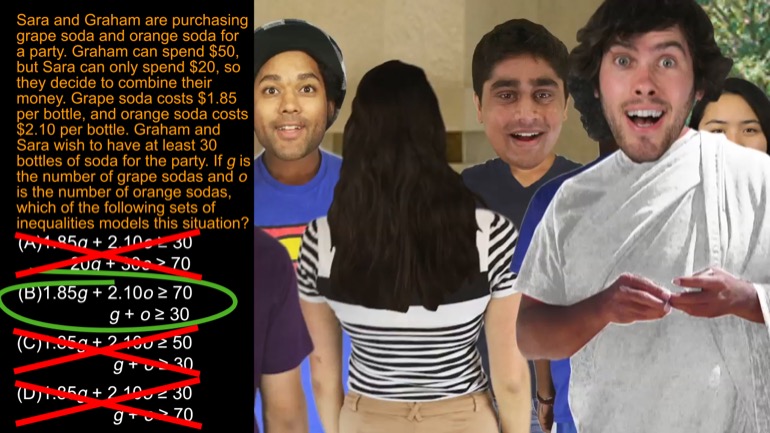
Sara and Graham are purchasing grape soda and orange soda for a party. Graham can spend $50, but Sara can only spend $20, so they decide to combine their money. Grape soda costs $1.85 per bottle, and orange soda costs $2.10 per bottle. Graham and Sara wish to have at least 30 bottles of soda for the party. If g is the number of grape sodas and o is the number of orange sodas, which of the following sets of inequalities models this situation?
Sara and Graham are purchasing grape soda and orange soda for a party. Graham can spend $50, but Sara can only spend $20, so they decide to combine their money. Grape soda costs $1.85 per bottle, and orange soda costs $2.10 per bottle. Graham and Sara wish to have at least 30 bottles of soda for the party. If g is the number of grape sodas and o is the number of orange sodas, which of the following sets of inequalities models this situation?
Related Videos
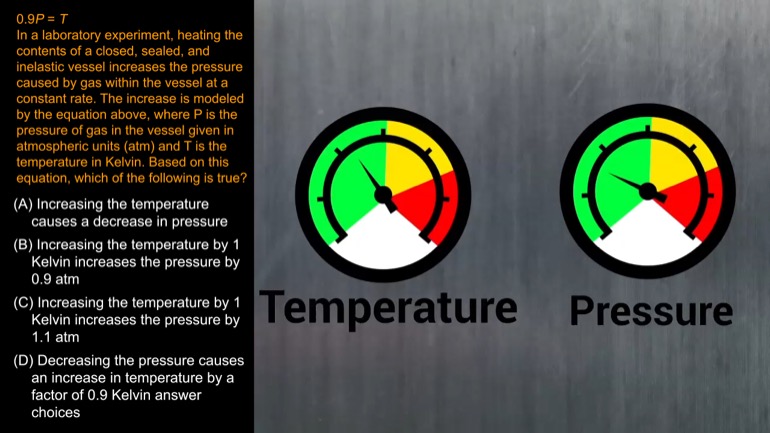
In a laboratory experiment, heating the contents of a closed, sealed, and inelastic vessel increases the pressure caused by gas within the vessel a...
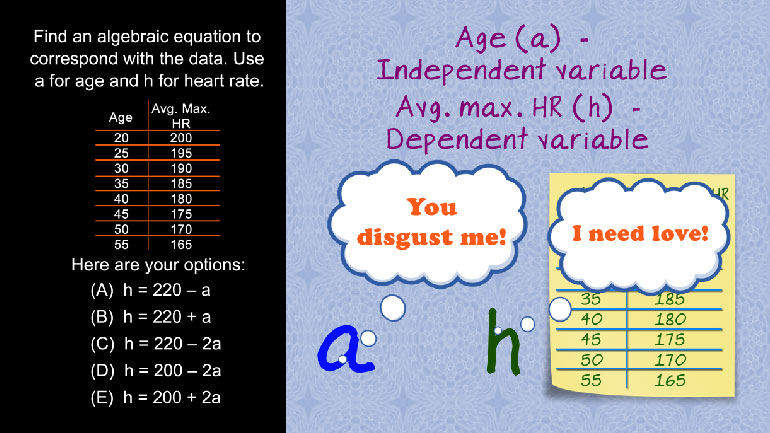
SAT Math 1.1 Algebra and Functions. Find an algebraic equation to correspond with the data.
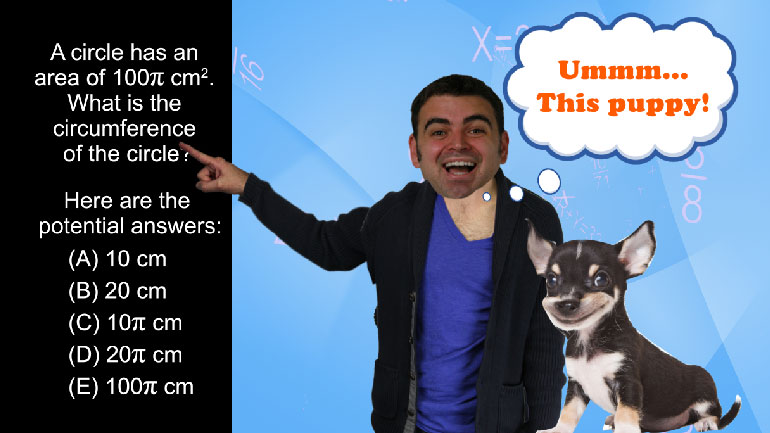
SAT Math 1.1 Geometry and Measurement. What is the circumference of the circle?
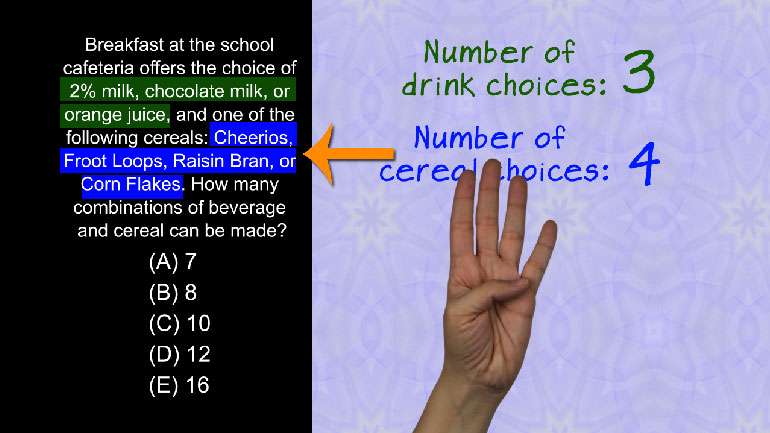
SAT Math 1.1 Numbers and Operations. How many combinations of beverage and cereal can be made?
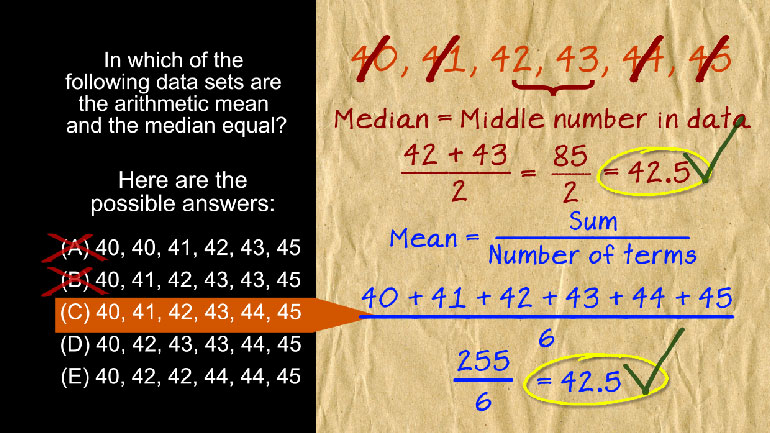
SAT Math 1.1 Statistics and Probability. In which of the following data sets are the arithmetic mean and the median equal?